



进口模具钢材
-
 日本大同特殊钢公司生产的工模具钢材料包括:DC53、NAK80、DHA1、S-STAR、440C-ESR、DCMX、GO5、NAK-PRM、NAK101、DH31-S、DH31-EX、DHA-WORLD等,广泛应用于热锻、热挤压、压铸、冷作加工、塑料成型等领域。
 -
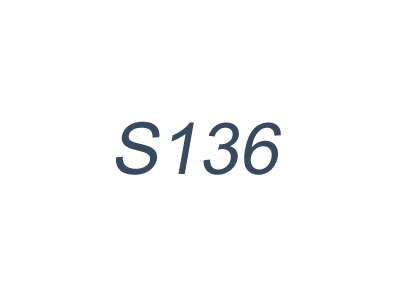
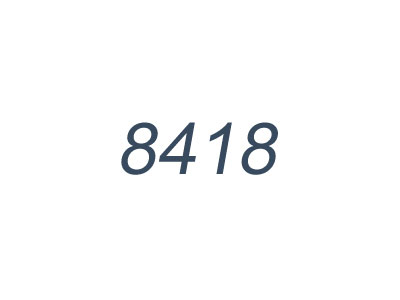
 瑞典一胜百一直致力于为广大客户提供完整的模具钢解决方案,瑞典一胜百高纯洁钢材包括:S136、8418、VIKING、8407、QRO90、ASP23、ASP30、ASP60、718HH等,广泛应用于冷冲裁和成型模具、压铸模具、挤压模具、锻造模具、塑料模具、刀具以及工程结构件和机械零部件等。
 -
 瑞典乌德霍姆钢厂是全球唯一一家只生产工模具钢的专业钢厂,有三百多年的工模具钢生产经验,是世界高品质模具钢材的象征。瑞典乌德霍姆钢厂生产的STAVAXESR、MIRRAXESR、UNIMAX、ORVAR SUPREME、CALDIE、VANADIS 23、VANADIS 30等高品质工模具钢广泛应用于塑料模具、五金冲压模具、压铸模具、挤压模具及热锻模具等。
 -
 日本日立金属株式会社的各项同性(ISOTROPY)模具钢可以减少钢材的纵向(压延方向)和横向力学性能的差异,具备各项同性的特征。东莞弘超销售的日本日立模具钢包括:SLD、SLD-MAGIC、SLD8、HMD5、DAC、DAC-MAGIC、DAC55、YXR3、YXR33、YXM1、XVC5、PSL、CENA1、HPM-MAGIC、HPM-PRO、HPM75等。
 -
 德国葛利兹钢厂(Schmiedewerke Gröditz GmbH)成立于1779年,是德国著名的特殊钢生产企业,德国葛利兹钢厂的产品系列包括近300个钢种等级及超过1700个改良钢种,德国葛利兹模具钢系列产品包括:XPM VICTORY ESR、CPM40 VICTORY ESR、EX1 VICTORY ESR、CRMHP VICTORY ESR、W.1.2344 VICTORY ESR、W.1.2367 VICTORY ESR、W.1.2379、W.1.2080等。
 -
 意大利鲁奇尼集团是欧洲重要的私营特钢生产及模具钢制造厂之一,以生产超大锻件(锻件厚度可达1000mm,宽度可达1500mm)而闻名,东莞弘超销售的意大利鲁奇尼模具钢钢种包括: KEYLOS2738、KEYLOS2083、KEYLOS2316、KEYLOS2001、KEYLOS2002、BEYLOS2329、BEYLOS2714、BEYLOS2343、BEYLOS2344、BEYLOS2367、BEYLOS2365等。
 -
 日本高周波钢业株式会社(Nippon Koshuha Steel Co.,Ltd.)生产的微细钢(Micro Fine)是利用严格选取的材料和日本高周波钢业独有的冶炼技术以及热加工、热处理等综合技术造就的产品。日本高周波模具钢产品包括:KD11MAX、KD11S、KRCX、KDA1S、KPS6、KDAMAX、NOGA、JHX、KAP88、GHX、KAP90F等。
 -
 法国奥伯杜瓦公司(Aubert & Dural)生产的模具钢产品系列包括:热作模具钢ADC3、SMV3、SMV4、DH13、MEK4、R6110、SMR、塑料模具钢DH11、SMV3P、X13T6、XDBD、冷作模具钢TA3、SANCY2、RA5W、SRV2W、SMS3和玻璃模具钢X13、X15TN、APXV、X25V、SMP3等。
 -
 法国埃赫曼高速钢公司(Erasteel)是较大的高速钢生产商,是全球粉末高速钢生产的领导者,埃赫曼高速钢公司生产的ASP系列粉末高速钢广泛应用于冷作模具、热作模具及高性能切削工具。法国埃赫曼高速钢主要牌号包括:ET1、EM2、EM3:2、EM35、EM42、ASP2015、ASP2023、ASP2030、ASP2042、ASP2060、ASP2080等。
 -
 日本不二越株式会社是从原材料产品到机床的全方位综合制造型企业,以高速、高效率、高寿命为终极目标,使用高纯度、高质量的原料钢材,聚集了日本不二越独自的精炼工艺和先进制钢技术生产高品质的高速工具钢,满足用户的需求。日本不二越高速钢系列产品包括:SKH9、HM35、HS53M、HS97R、MATRIX2、HS52R、HS93R、HM42、FAX18、FAX31、FAX38、FAX55、FAXG1、FAXG2等。
 -
 美国熔炉斯伯钢公司(Crucible),又称“坩埚钢”公司,是北美比较大的工具钢生产商和供应商,该公司独创的CPM粉末冶金工艺生产的工具钢,是世界公认的顶级工模具制造材料,CPM工艺制造出许多传统合金钢无法制造的新型高合金工具钢材。东莞弘超销售的美国熔炉斯伯钢公司CPM系列粉末冶金工具钢包括:CPM 1V、CPM3V、CPM9V、CPM10V、CPM15V、CPMS30V、CPMS90V等。
 -
 奥地利百禄钢厂(BOHLER)是世界上品种齐全、规模大的专业特殊钢生产厂商,生产设备和技术一直处于世界领先水平,百禄冷作工具钢实现了硬度与韧性的完美结合,是值得信赖的优质工具钢。东莞弘超销售的奥地利百禄包括:K110、K340、K353、K390、K460、K490、K890、W302、W360、W403、M268、M303、M310、M333、M340等。
国产模具钢材
-
 国产热作模具钢东莞弘超销售的国产热作模具钢钢种包括:H13、4Cr5MoSiV1A、SWPH13、DT413、Y4、Y10、GR、HD、HCH2011、D.Casking等,提供热挤压模具、热锻模具、红冲模具、压铸模具失效分析及选材推荐等一站式解决方案…[详细]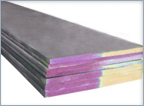
-
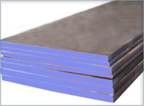
国产冷作模具钢东莞弘超销售的国产冷作模具钢钢种:D2、DC53、Cr5Mo1V、6CrW2Si、6Cr5MnSi、9CrWMn、9Mn2V、5Cr3Mn1SiMo1V等,提供冷挤压模具、冷镦模具、冷冲压模具、冷拉深模具失效分析及完美的冷作模具钢解决方案…[详细]
-
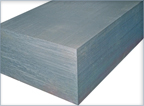
国产塑料模具钢东莞弘超销售的国产塑料模具钢:NAK80、S136、FS136、P20、P21、718PMS、FS2010、DTP90、PCR、FS139、FS139M等,提供塑料模具失效分析、塑料模具型腔表面缺陷(麻点、针孔和料纹)处理以及塑料模具钢选材推荐等…[详细]
-
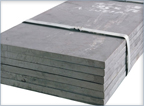
国产新型模具钢国产新型模具钢包括:基体钢65Nb、012Al、CG2、RM2、LM1、LM2、LD、5Cr4Mo2W2VSi;无磁模具钢7Mn15、5Mn15、7Mn10、5Cr21;火焰淬火钢CH-1;弘超模具钢HCH2011、HCC2010、HCHF01、HCHY01、HCP01等…[详细]
公告通知

选择弘超

联系我们
东莞市弘超模具科技有限公司
模具钢材专业供应商
联系人:康先生
手机:18925597988
电话:86 0769-82621066
传真:86 0769-82621099
邮箱:sales@hongchao-dg.cn
网址:www.hongchao-dg.cn
诚信通ID:xinhongmouldsteel
QQ: 微信公众号:hcsteel
地址:广东省东莞市塘厦镇林村管理区
模具钢材专业供应商
联系人:康先生
手机:18925597988
电话:86 0769-82621066
传真:86 0769-82621099
邮箱:sales@hongchao-dg.cn
网址:www.hongchao-dg.cn
诚信通ID:xinhongmouldsteel
QQ:
地址:广东省东莞市塘厦镇林村管理区



-
所有进口模具钢材,均提供原厂材质证明
弘超模具钢一直致力于为客户提供优质正宗模具钢材,追求卓越品质我们一直都在精益求精,在业界久负盛名,我们承诺所有进口模具钢材均可提供出厂证明。 -
15年模具钢经验,为你解决技术问题
有多位从事模具钢行业15年或以上的专业人材,他们一直致力于模具及模具材料的研究,可为客户提供模具失效、模具寿命等分析,提供专业的解决方案。 -
产品品种多样,性价比优
我们有着广阔的渠道,为不同的解决方案提供高性价比的模具材料,为客户提供一站式的服务,免去客户苦于找模具材料的烦恼。 -
提供一站式服务,为客户提供加工服务
用我们的专业为你提供一站式的服务,在解决模具材料的同时,还为客户提供全面的加工服务,可为客户提供热处理、焊接加工、表面缺陷处理、机加工、省模抛光等服务。 -
完善的售后,提供多途径模具钢知识学习
有着完善的企业体系,我们提供的不单只是产品,还为客户提供服务,多位客服24小时为你提供服务;还可通过官方微信、微博、邮件订阅等,学习了解模具材料相关知识。